

End to end HVAC and M&E services
End to end HVAC and M&E services give estates, developers, and operations teams one accountable partner for comfort, compliance, and performance. This guide explains how an end-to-end model works, why it outperforms fragmented supply chains, and how to secure measurable savings across energy, maintenance, uptime, and lifecycle.
We cover strategy, design, delivery, commissioning, optimisation, maintenance, and continuous improvement. You will learn how to reduce risk, remove waste, and unlock value from every asset across a modern commercial or industrial estate.
What “end to end” means for HVAC and M&E
End to end HVAC and M&E services combine every stage of the asset lifecycle under one accountable framework.
That means one approach, one data set, and one responsibility for outcomes. You avoid handoffs, gaps, and conflicting incentives.

From strategy to continuous optimisation
- Strategy and audits: Define goals for comfort, compliance, resilience, and cost. Establish baselines and targets for energy and carbon.
- Design and engineering: Produce buildable, maintainable designs aligned to standards and the real-world constraints of your estate.
- Delivery and installation: Manage procurement, CDM, site logistics, and H&S for a safe, predictable programme.
- Commissioning and verification: Prove performance at handover and set a strong foundation for operations.
- Planned preventive maintenance (PPM) and reactive support: Keep assets compliant and available with risk-based scheduling and rapid response.
- Optimisation and analytics: Use BMS fine-tuning, FDD (fault detection and diagnostics), and controls upgrades to lock in savings.
- Refurbishment and lifecycle planning: Replace or retrofit assets at the right time, with clear business cases and minimal disruption.

Why a single accountable partner works better
Fragmented supply chains create silos. Each party optimises its own output, not your outcomes. In contrast, an end-to-end provider aligns delivery with results.
Fewer defects, faster handovers, stronger performance, and a better user experience. With one source of truth for data, you gain clarity, speed, and control.
Align HVAC and M&E with business outcomes
A strong strategy sets clear objectives, constraints, and success measures. It translates policy and ambition into practical action in plant rooms, risers, ceilings, and control panels.
Define the objectives that matter
- Comfort and indoor air quality (IAQ): Maintain temperature, humidity, and CO₂ within defined bands for health, productivity, and wellbeing.
- Compliance and safety: Meet statutory and best-practice requirements across refrigeration, pressure systems, electrical safety, and legionella control.
- Resilience and uptime: Protect critical operations with redundancy, spares strategies, and callout coverage.
- Cost and carbon: Reduce total cost of ownership while delivering on carbon budgets and Net Zero plans.
- Data and governance: Build a reliable data layer for decisions, audits, and continuous improvement.
Baseline first, then target
You cannot manage what you cannot measure. Begin with a simple, robust baseline:
- Asset register: Accurate, structured, and searchable, with condition grades and criticality.
- Energy and controls review: Identify where and how energy is being used, and where controls are drifting.
- Compliance status: Understand certificates, statutory inspections, and gaps.
- Failure history: Map downtime trends and root causes.
Set targets that matter: specific, measurable, and time-bound. For example, “reduce chiller kWh/yr by 18% within 12 months through controls optimisation and condenser cleaning.”

Design and engineering: buildable, maintainable, compliant
Good design reduces lifetime cost, not just capex. It creates access for maintenance, selects efficient technology, and makes controls simple to operate and adjust.
Principles for effective HVAC/M&E design
- Start with the load: Use realistic occupancy and usage assumptions. Oversizing drives inefficiency and cycling.
- Favour maintainability: Allow space to access filters, valves, strainers, and actuators. Keep spares common across the estate.
- Design for commissioning: Include test points, differential pressure tappings, valves for balancing, and clear zoning.
- Controls first: Define strategies early. Agree setpoints, schedules, trimming logic, and alarm priorities before tender.
- Modularity and phasing: Enable staged upgrades and future expansion without major rework.
- Fabric and ventilation: Reduce loads with insulation, airtightness, solar control, and demand-led ventilation.
Technology choices that add value
- Heat pumps for low-carbon heating: Air-source or water-source, matched to radiator or air-side systems with suitable flow temperatures.
- High-efficiency chillers with variable speed drives: Right-size staging, enhanced condenser cleaning regimes, and smart sequencing.
- Demand-controlled ventilation: CO₂, VOC, or occupancy-driven control to balance IAQ and energy.
- Heat recovery and heat reclaim: Recover energy from exhaust air and refrigeration systems.
- Smart BMS and open protocols: BACnet/IP, MQTT, or Modbus for interoperability and portfolio analytics.
- Power and electrical resilience: UPS, generator integration, and clean power for sensitive loads.
Documentation that prevents disputes
Produce concise, unambiguous documents that contractors can build from:
- Design brief and performance specification
- Schedules, schematics, and coordinated drawings
- Commissioning plan and witness testing requirements
- Controls narratives, points lists, and graphics standards
- O&M templates and asset tagging conventions
Procurement and project delivery: control risk and quality
You need predictable delivery without quality trade-offs. Strong governance and transparent reporting keep programmes on track.
Procurement that aligns incentives
- Outcome-based specs: Define performance outcomes, not only product lists.
- Clear roles and risk allocation: Avoid grey areas between trades, especially around interfacing and controls.
- Pre-qualification on capability: Select partners with relevant sector experience and strong H&S records.
- Whole-life value: Assess energy, maintenance, and end-of-life costs, not just capex.

Site delivery that works first time

- Pre-start readiness: Confirm access, isolations and logistics before mobilisation.
- Coordination and clash resolution: Use coordinated drawings and early problem-solving.
- Quality control and inspections: Apply hold points for critical stages. Capture evidence with photos and checklists.
- Change control: Keep variations transparent and justified with impact summaries.
- Health & Safety culture: Toolbox talks, RAMS, and near-miss reporting that drive real behaviour.
Clear reporting and communication
Use weekly dashboards for programme, cost, risks, and decisions. Keep the client team informed and able to steer. Provide a single escalation path and resolve blockers fast.
Commissioning, validation, and handover that stick
Commissioning is not a box tick. It is a structured, witnessed process that proves performance and sets the operational baseline.
The commissioning plan
- Factory acceptance (where relevant): Verify key functions before delivery.
- Site acceptance: Check installation quality, power, and controls connectivity.
- Functional performance tests: Prove sequences under realistic conditions.
- Seasonal commissioning: Revisit systems across weather bands to fine-tune control loops and setpoints.
- Client training: Teach operators how to use systems without guesswork.
- Data handover: Provide O&M manuals, calibrated points list, and asset records in usable formats.
Witnessed testing and sign-off
Run witnessed tests against the controls narratives. Log results and issues, then close them before practical completion. Record initial setpoints as a reference for future drift detection.
BMS and controls: the heart of modern estates
Controls determine real-world performance. Even the best plant underperforms with blunt or drifting control.
Build a clear controls philosophy
- Simple, robust strategies: Focus on sequences operators can understand and maintain.
- Correct zoning: Separate areas by use and load profile.
- Schedules that reflect reality: Align with occupancy, production, or trading hours.
- Setpoint discipline: Avoid chronic offsetting. Introduce deadbands and reset logic to prevent hunting.
- Alarms with purpose: Prioritise critical alarms, suppress noise, and deliver actionable messages.
Open data, open possibilities
Use open protocols and tag points consistently across sites. With a consistent data layer, you can run portfolio analytics, detect faults, benchmark sites, and prioritise intervention.
Practical wins from fine-tuning
- Optimise supply air temperatures with weather compensation.
- Review valve and damper authority to stop short cycling.
- Correct sensor placement and calibration to fix false readings.
- Apply start/stop optimisation to reduce run hours while maintaining comfort.
- Enable optimum staging on chillers and boilers to match part-load efficiency.
Maintenance: from scheduled tasks to outcomes
Traditional time-based maintenance wastes time on low-value tasks and misses high-impact risks. A modern approach blends statutory PPM, risk-based inspections, condition monitoring, and data-led adjustments.

Build a risk-based maintenance plan
- Criticality mapping: Identify high-consequence assets and focus effort where it matters.
- Failure mode analysis: Target common and costly failure modes with precise tasks.
- Condition-based tasks: Use vibration, thermography, oil analysis, and controls data to predict issues.
- SFG20-informed frequencies: Align task lists and frequencies with industry guidance, then adapt based on data and use.
- Optimization loops: Feed findings back into the plan and reduce low-value tasks as reliability improves.
Close the loop with operations
Maintenance should inform operations, and operations should inform maintenance. After each visit, update asset condition, energy observations, and controls drift notes. Then adjust schedules and setpoints. Over time, your plan gets leaner, smarter, and cheaper.
Spares, callout, and SLAs that matter
- Keep critical spares on site or within fast reach.
- Define clear response and fix times by asset criticality.
- Provide transparent reporting on first-time fix rates, repeat faults, and MTBF.
Energy optimisation: cut cost without compromise
Energy is often the fastest, cleanest saving. You can achieve double-digit reductions with commissioning fixes, smarter control, and low-cost upgrades.
Proven levers for fast savings
- Control setpoint resets: Implement weather and load compensation across heating, cooling, and ventilation.
- Fan and pump speed control: Use VSDs and correct pressure resets to match demand.
- Airflow and balance: Re-balance AHUs and VAVs; fix stuck dampers and leaking valves.
- Heat recovery: Check bypass dampers and ensure heat wheels are engaged and sealed.
- Scheduling discipline: Remove out-of-hours drift and clean up overrides.
- Metering sanity check: Verify meter accuracy and resolve data gaps to avoid hidden errors.
Data-led continuous improvement
Use interval energy data and BMS trends to find change points and patterns. Identify night and weekend baseloads and challenge them. Track the effect of each intervention so you can prove savings and build momentum.
Net Zero and decarbonisation: practical steps that work
Net Zero targets are real and rising. Yet, progress stalls without a practical plan that works in occupied buildings and complex estates.
A pragmatic roadmap
- Establish a baseline: Calculate emissions by scope. Confirm boundaries and disclosure requirements.
- Find no-regret measures first: Optimise controls, fix maintenance gaps, and correct commissioning faults.
- Electrify heat: Plan staged heat pump integration, starting with low-temperature zones or secondary systems.
- Fabric and ventilation improvements: Reduce heating and cooling loads before upsizing plant.
- On-site renewables and storage: Add PV and storage where the business case stacks up.
- Grid and tariff strategy: Use flexible tariffs and demand response where appropriate.
- Monitor, verify, and report: Track progress with clear dashboards and auditable data.
Heat pump retrofit without the pain
- Map existing emitters and flow temperatures.
- Introduce buffer and hybrid solutions where full conversion is not yet feasible.
- Sequence controls to prioritise low-carbon heat when conditions allow.
- Upgrade emitters or zones in phases to raise system ΔT and improve COP.
- Train operators and set new performance KPIs that reflect electrified heat.
Compliance and safety: no surprises
Compliance failures cost time, money, and trust. A clear plan with evidence reduces risk and stress.
A simple compliance framework
- Registers and certificates: Keep an accessible, current library of statutory documents.
- Scheduled inspections: Coordinate pressure systems, L8, F-Gas, fixed wire, emergency lighting, and fire systems.
- Actions to closure: Track remedials to completion with risk ratings and deadlines.
- Incident readiness: Maintain up-to-date RAMS, permits, and emergency procedures.

Training and culture
Even the best paperwork cannot fix poor behaviours. Keep training practical, repeat key messages, and recognise safe, proactive actions.
Capital planning and lifecycle: invest at the right time
The cheapest asset is not always the best choice. The most expensive asset is not always necessary. You need clarity about timing and value.
Build a confident asset strategy
- Condition and criticality: Combine both to prioritise.
- Performance trends: Replace repeat offenders that drive downtime and labour.
- Energy and carbon impact: Select replacements that improve EUI and emissions.
- Access and shutdown windows: Align works with trading and operations.
- Standardisation: Reduce stock, training, and risk with common platforms.
Business cases that land
Keep the business case clear and honest. Show capex, opex, carbon impact, payback, and risk reduction. Add practical delivery plans that avoid operational disruption. Present options with sensitivities so stakeholders can choose with confidence.
Digital enablement: data, analytics, and automation
Modern estates are data rich. When data is consistent and useful, you can move from reactive firefighting to proactive control.
Practical automations
- Generate daily exceptions for energy and comfort.
- Auto-create remedial tasks when key thresholds are breached.
- Link BMS alarms to work orders with context so engineers arrive prepared.
- Capture photos and trend snippets at fix time for future learning.
The data layer
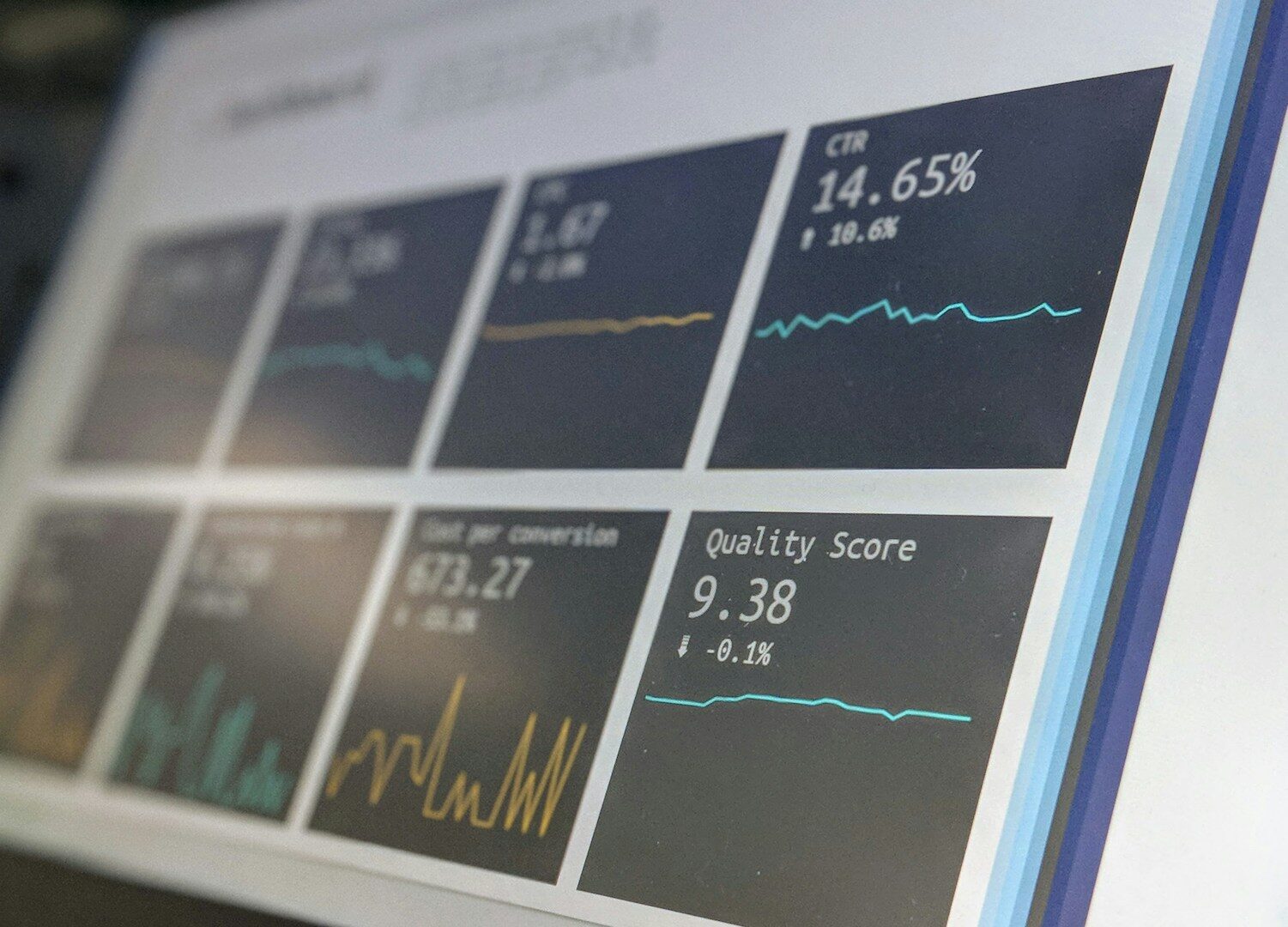
- Normalised asset and controls tags: Make data findable and comparable.
- Single pane of glass: Bring sites and systems into one view for triage and insight.
- Automated alerts: Highlight issues that matter and suppress noise.
- Playbooks: Define standard responses to common problems so teams act faster and consistently.
Commercial models: choose what fits
Your commercial model should reflect your risk appetite, internal capacity, and goals.
Common models
- Time and materials: Flexible for small works and investigative tasks.
- Fixed-fee PPM: Predictable cost for planned tasks, with agreed callout rates.
- Performance-linked contracts: Tie part of the fee to energy, uptime, or SLA results.
- Design and build with aftercare: One team carries designs into delivery and operations.
- Long-term partnership: Multi-year agreements that align incentives and invest in innovation.
What to ask before you commit
- Which risks does the provider carry?
- How will they prove savings and outcomes?
- What data will you receive, and in what format?
- How will they flex resources in peak periods?
- How do they handle root cause analysis and repeat faults?
Governance: keep projects, maintenance, and energy aligned
Strong governance turns a good plan into consistent results.
A simple, effective cadence
- Monthly performance review: Energy, uptime, comfort, compliance, and top risks.
- Quarterly improvement forum: Review insights, approve trials, and set priorities.
- Annual strategy refresh: Update the roadmap, budgets, and lifecycle plan.
- Clear RACI: Define who decides, who delivers, and who is accountable.
KPIs that drive the right behaviours
- Comfort and IAQ compliance: Percentage of occupied hours in band.
- Energy intensity: kWh/m², normalised for weather and occupancy.
- Reactive vs planned: Reduce the proportion of reactive tasks.
- First-time fix rate: Improve speed and quality of resolution.
- Repeat faults: Drive learning and permanent fixes.
How end to end services reduce cost and risk
An end-to-end approach saves money and reduces risk across multiple levers.
With one accountable team, you avoid gaps and contradictions. Commissioning aligns with operations. Controls strategies are implemented as designed. Documentation remains consistent and usable.
Faster problem-solving
Fewer handoffs, fewer errors
When the same team designed, delivered, and now maintains the system, they can diagnose faster. They know the plant history, constraints, and what has been tried before. That speeds fixes and avoids waste.

Continuous improvement that compounds
Data flows into the same hands that can act on it. Each small improvement builds on the last. Over time, you lock in permanent gains in comfort, energy, and reliability.
Sector-specific considerations
Different sectors face different constraints. An end-to-end model adapts quickly with sector-specific standards and risk controls.
Offices and mixed-use
- Focus on comfort, flexibility, and low operational disruption.
- Use demand-led control and agile scheduling for hybrid occupancy.
- Prioritise visible ESG gains that can be reported to stakeholders.
Industrial and logistics
- Protect process-critical zones and temperature-controlled areas.
- Design robust, maintainable systems that tolerate harsh conditions.
- Keep shutdown windows short and predictable.
Healthcare and labs
- Maintain strict environmental and air change requirements.
- Design for redundancy and infection control.
- Enforce rigorous change control and validation.
Retail and leisure
- Manage peak loads and variable occupancy.
- Balance comfort with cost during off-peak periods.
- Keep brand standards consistent across the estate.
Working with one accountable partner: what good looks like
Choosing the right partner is decisive. Look for evidence, not promises.
Signals of quality
- Bespoke strategy and clear roadmaps: Not generic slides.
- Proven project delivery: On-time, on-budget, with strong H&S.
- Commissioning discipline: Witnessed testing and seasonal commissioning.
- Data competence: Clean BMS integrations and useful dashboards.
- Maintenance that adapts: Risk-based plans that improve each quarter.
- Transparent reporting: Clear KPIs and direct access to raw data.
What you should receive every month
- Energy and comfort dashboard with commentary and actions
- Compliance tracker with upcoming dates and risks
- Work order summary with first-time fix and repeat faults
- Project status updates with decisions required
- Capital plan updates and business case pipeline
Implementation playbook: step-by-step
If you want to move now, follow this simple playbook to introduce end to end HVAC and M\&E services without disruption.
1) 30–60 day discovery and stabilisation
- Collect asset data, energy baselines, and controls exports.
- Stabilise critical alarms and clear outstanding high-risk defects.
- Produce a quick-win plan for the next 90 days.
2) 90-day optimisation sprint
- Implement control resets, schedule clean-up, and plant sequencing fixes.
- Complete targeted PPMs and remedials with the highest energy and risk impact.
- Deliver operator training and set new alarm policies.
3) 6–12 month roadmap delivery
- Execute minor capex works that deliver strong paybacks.
- Integrate BMS data into a portfolio view with exception-based reporting.
- Agree the lifecycle plan and prepare the next year’s budgets.
4) Year 2–3 transformation
- Phase heat pump integration and fabric improvements where feasible.
- Standardise plant and parts across the estate.
- Embed performance-linked incentives and continuous improvement cycles.
How we evidence results
You should expect clear, auditable evidence of improvement.
Measurement and verification
- Before/after baselines: Adjusted for weather and occupancy.
- Tagged interventions: Each action linked to a measurable outcome.
- Confidence intervals: Honest ranges rather than inflated claims.
- Public standards where relevant: Use recognised approaches for credibility.
Transparent, accessible data
Provide clean exports and simple dashboards. Keep ownership of your data. Make it easy for your finance, ESG, and operations teams to verify progress.
Frequently asked questions
How fast can we realise savings?
You’ll start seeing energy savings within weeks through smart controls optimisation and improved scheduling. As commissioning is refined and minor capital upgrades are introduced, those savings grow even further. Comfort and reliability often improve in the first month as alarms stabilise and recurring faults are resolved
Do we need to replace major plant to see benefits?
Not at first. Many sites cut energy and improve comfort with control and maintenance changes. Asset replacements follow a clear business case once the simple actions are complete and proved.
Can we integrate legacy systems?
Yes. Open protocol gateways, coherent tagging, and careful interface design bring older assets into the data layer. You do not need a wholesale rip-and-replace to gain visibility and control.
How do you avoid disruption to operations?
We plan works around your trading or production windows, phase plant switchover, and use temporary services where needed. We communicate early and give clear method statements so stakeholders can plan.
End to End delivers outcomes, not fragments
End to end HVAC and M&E services align every stage of the asset lifecycle under one accountable, data-led framework. You remove handoffs, accelerate fixes, and build a platform for continuous improvement. Comfort becomes stable. Compliance becomes simple. Energy use falls and stays down. Over time, the approach compounds into lower total cost and higher resilience.
If you want reliable, measurable results without complexity, choose a partner that owns outcomes and proves them every month.
Ready to move? Book a discovery call to review your estate, confirm priorities, and receive a bespoke 90-day optimisation plan with a clear business case and delivery programme.
Get a free, no obligation consultation
Are you ready to improve the energy efficiency of your business or home?
Simply fill out the form and one of our experts will be in touch to guide you through your options.
Our team can help you:
- Understand which renewable energy solutions can work best for you
- Identify which government grants and incentives you may be eligible for
- Kickstart the process, for a quotation or survey for your exsisting or proposed projects
If you’d prefer to contact us directly to discuss your project then get in touch.
or book a free no-obligation consultation.
- Email: sales@vitalsynergy.co.uk
- Tel: +44 (0) 1282773338

Proud to be accredited by & work with:


